
32 AI agent use cases in 3 hours
A Leeds digital agency worked out agents were an IP strategy, not a time-saver

21 Degrees Digital
Holbeck, Leeds
The challenge
What we set out to solve
21 Degrees Digital is a full-service digital marketing agency in Leeds. On paper they were as AI-ready as a team gets, an AI policy in place, most of the team already using ChatGPT, several on Claude, and a CEO who could code. Rory Mason had the strategy. What he kept running into was that he could not build it alone. He needed his domain experts, the people who actually run PPC, SEO, content, web and video every day, in the room thinking in agents alongside him, so they could work out what to build together rather than him handing down a list.
What we delivered
How the lab was designed
- One half-day, in-person session with nine of the 21 Degrees team
- Attendees from PPC, SEO, content, web development, account management and video
- Pain-to-Gain mapping run across all nine business functions
- A prioritised roadmap of where to start, built in the room
- Confidence scoring before and after, to measure the shift
What happened
On the day, in the room
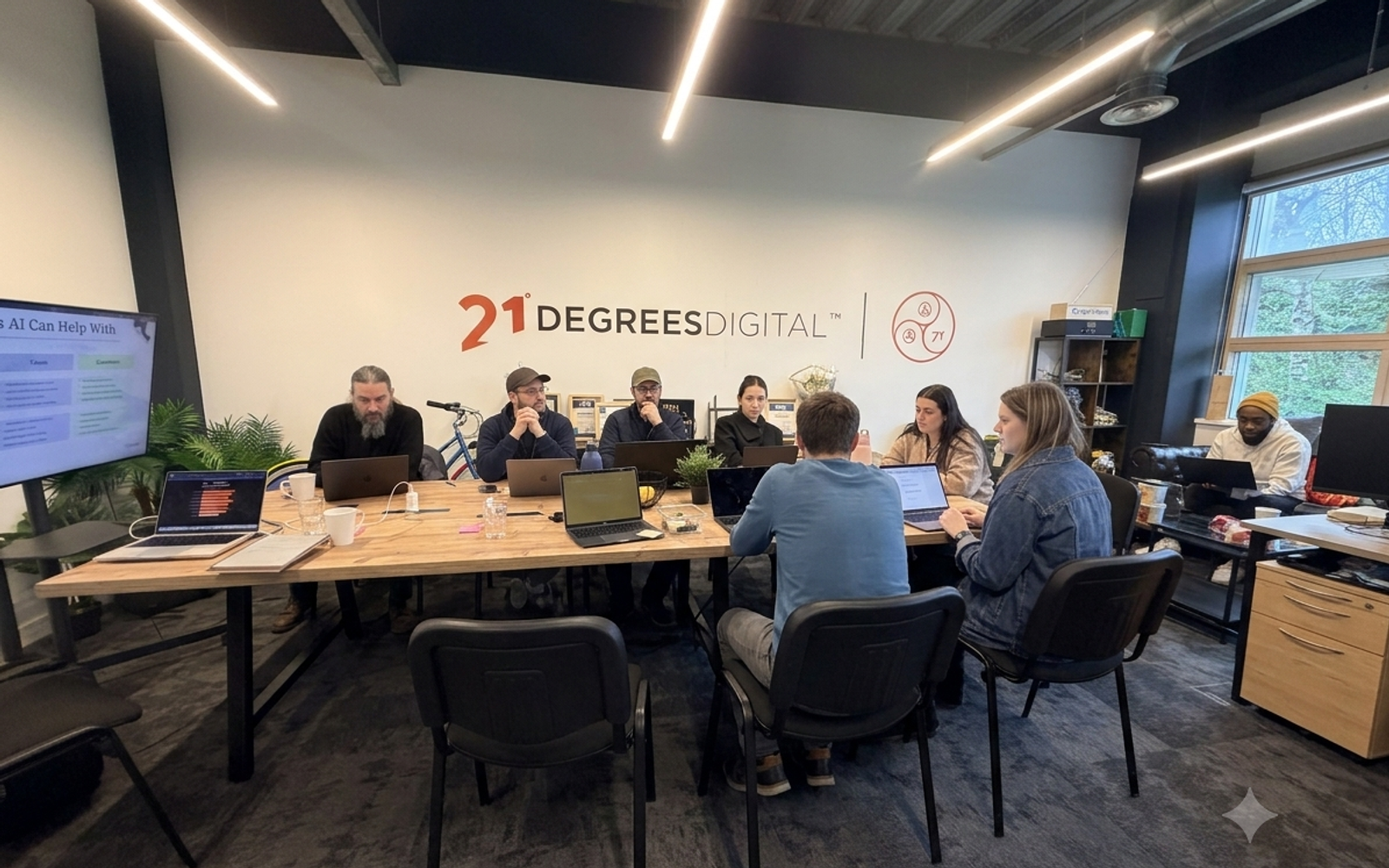
On 24 March 2026, nine people from 21 Degrees gathered in Holbeck. Every function in the business was represented - PPC, SEO, content, web development, account management, video production. No AI theory, no capability demos. The session opened with questions instead: where does the friction actually sit in your day? What slows your best people down? What falls through the cracks between handoffs? Within an hour the group had thirty-two agent use cases across nine functions. By hour three they had them ranked. The thing that made the session was not on the agenda. Rory surfaced it mid-conversation. 21 Degrees runs PPC campaigns inside their clients' ad accounts, accounts the clients own, not the agency. Which means everything the business has learned about what works in those accounts, what has been tested, what the history looks like, lives somewhere 21 Degrees does not control. When a senior account manager leaves, that knowledge leaves too, or stays locked inside an account they no longer have access to. Rory's conclusion: agents are not a productivity play. They are an IP protection strategy. A way to capture what the business knows before it walks out of the building. That reframe changed what the room prioritised for the rest of the session. It did not come from a slide. It came from putting nine people who know the work in one room with the right questions. Every participant scored the session 5/5. Average confidence in AI agents moved from 2.8 to 3.6 — a 29% uplift in a few hours.
What people built
Real tools, made by real attendees
Hear from them
21 Degrees Testimonial
Related stories
More proof from the labs
The Data City turns AI interest into a roadmap
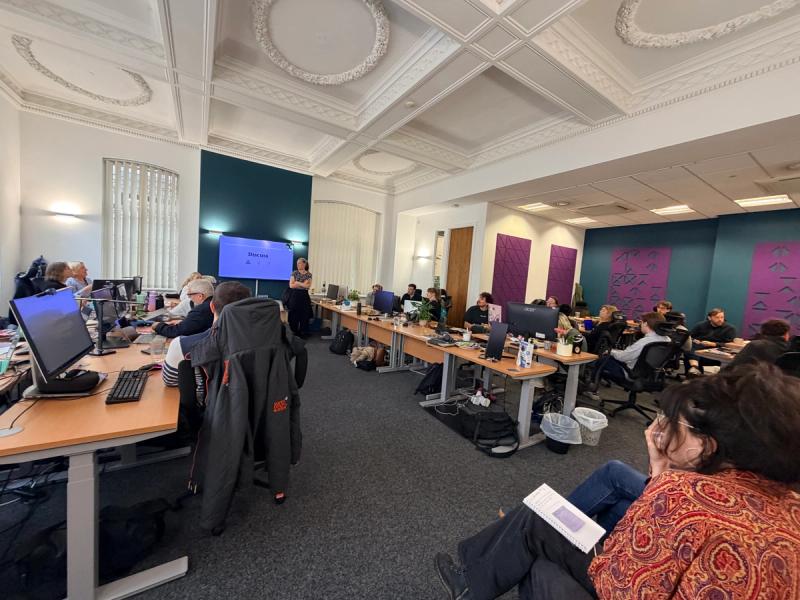
The Data City came in with broad interest in AI and no shared view of where to start. Over four hours the team worked through their own tasks, built prompts, and tried agents on real work. They left with use cases named team by team — admin, sales, engineering, delivery and operations - and a roadmap to work through rather than a general enthusiasm.
Read the story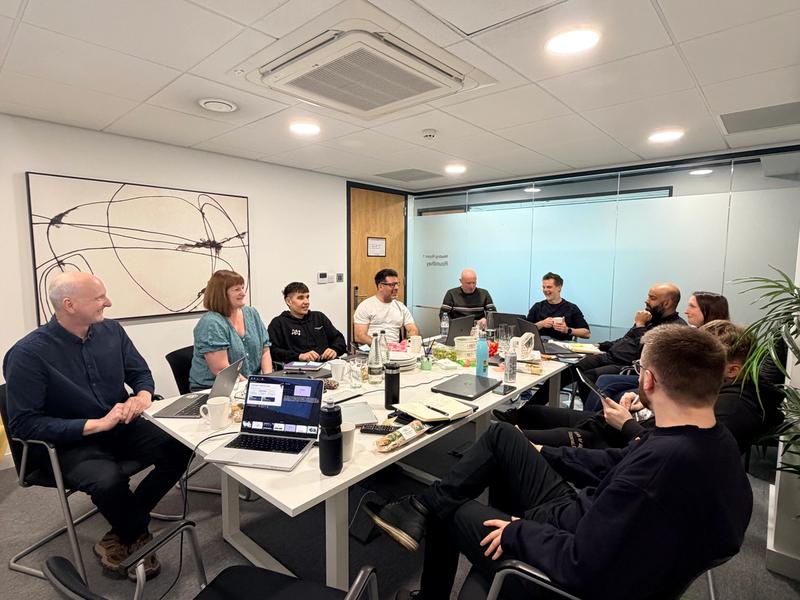
Twenty-two agents in four hours
Exalto Consulting, a Leeds recruitment and advisory firm, had people across the business using AI tools on their own terms — but no shared way to decide what was worth building. One half-day session with nine of the team produced twenty-two defined agent use cases, sorted and prioritised, plus a scoring framework they still use. Early agents were in internal testing within the week.
Read the story