
Already using AI, missing the guardrails
A small LUBS group already using six AI tools, working out how to use them well

Leeds University Business School
Leeds, UK
The challenge
What we set out to solve
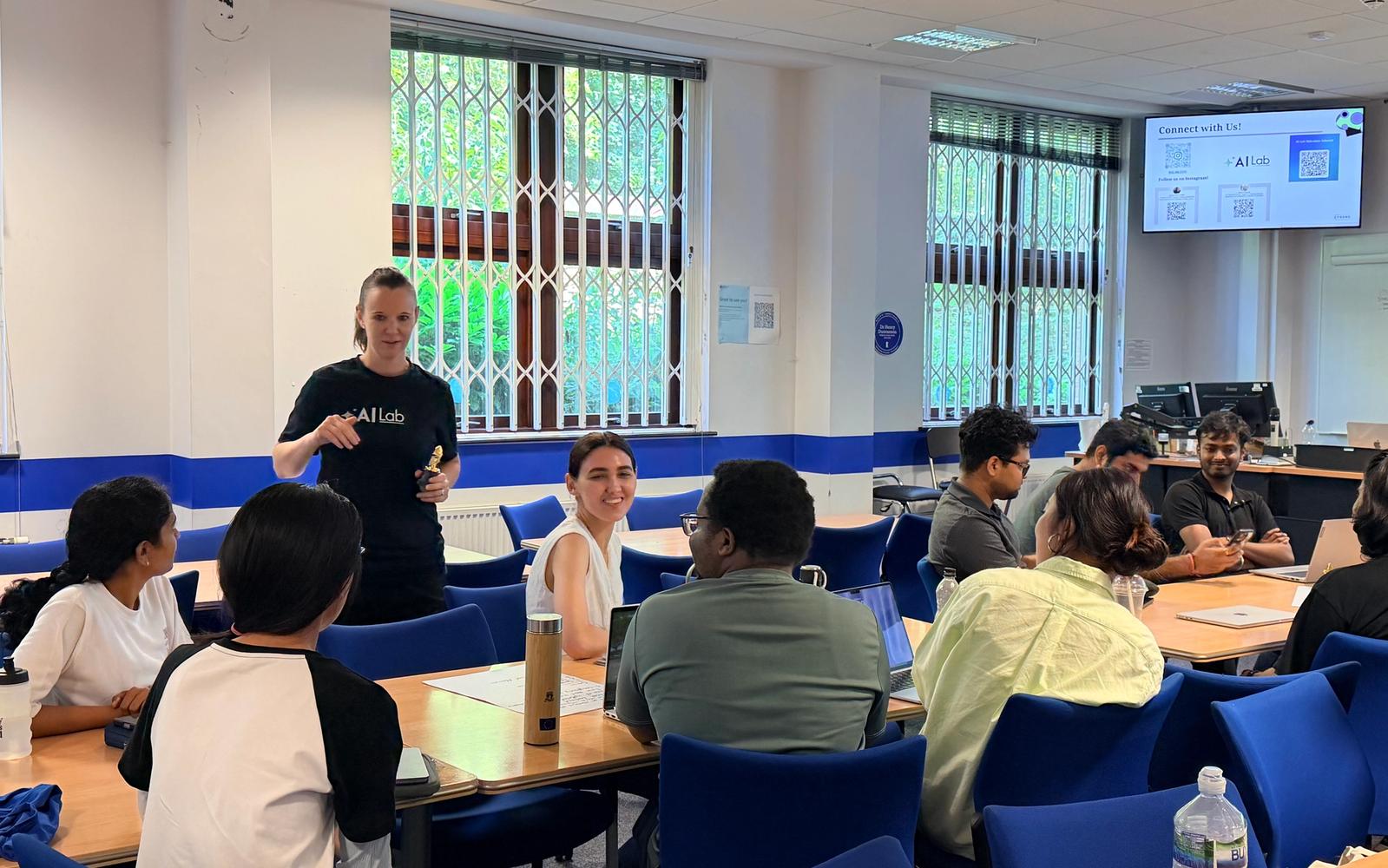
Some rooms need convincing that AI is worth learning. This one didn't. Between them the group were already running six different tools, ChatGPT, Copilot, Gemini, Claude, NotebookLM and Perplexity, across research, job applications, revision and planning. The words they used to describe AI were practical rather than starry: useful, adaptive, convenient, fast, career survival. Their worries were just as concrete: over-reliance, personal data, bias, ethics, reliability, accountability. They had worked out on their own that nobody had taught them how to use any of it responsibly. The gap wasn't access, and it wasn't enthusiasm. It was judgement, knowing when an output can be trusted, and who is accountable when it can't.
What we delivered
How the lab was designed
- A hands-on session for a small LUBS student group
- Live polling on current AI use, confidence and concerns
- The difference between generative AI and AI agents
- Responsible use, reliability and accountability in practice
- Use case thinking for work, study and personal productivity
- Applied examples tied to careers and business tasks
What happened
On the day, in the room
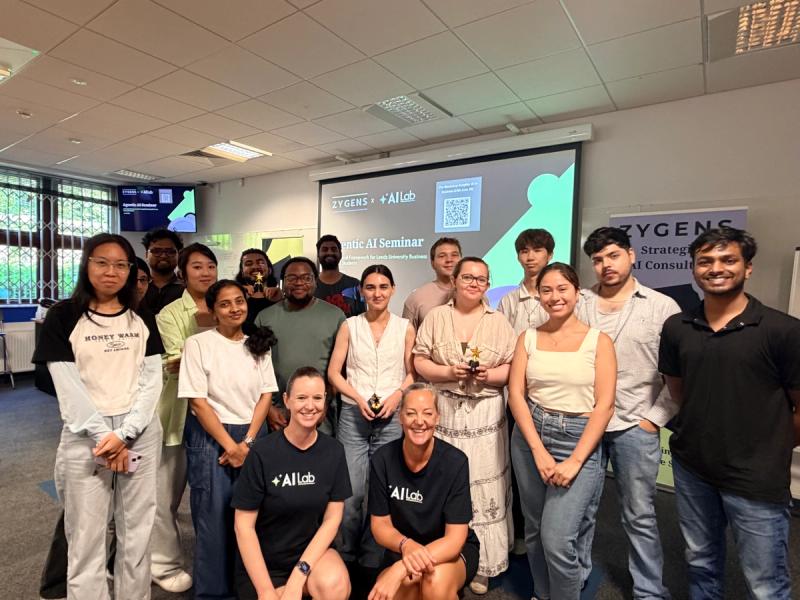
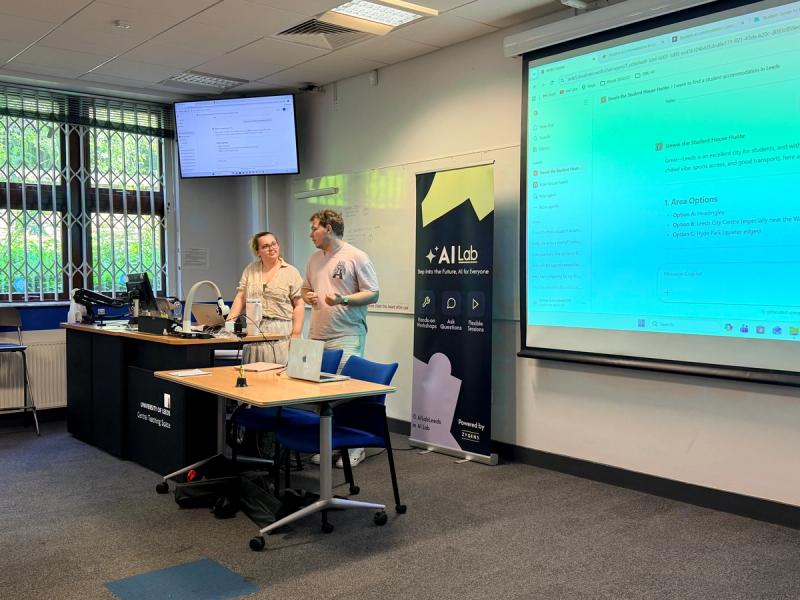
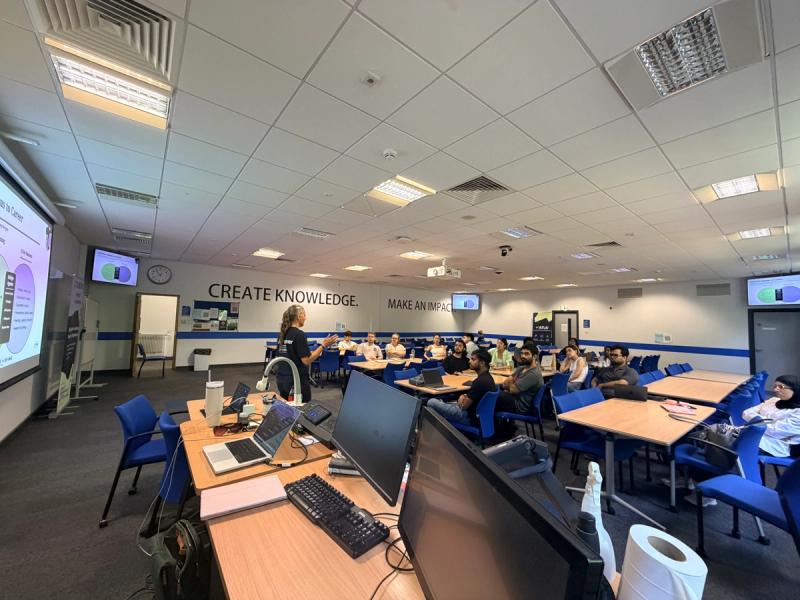
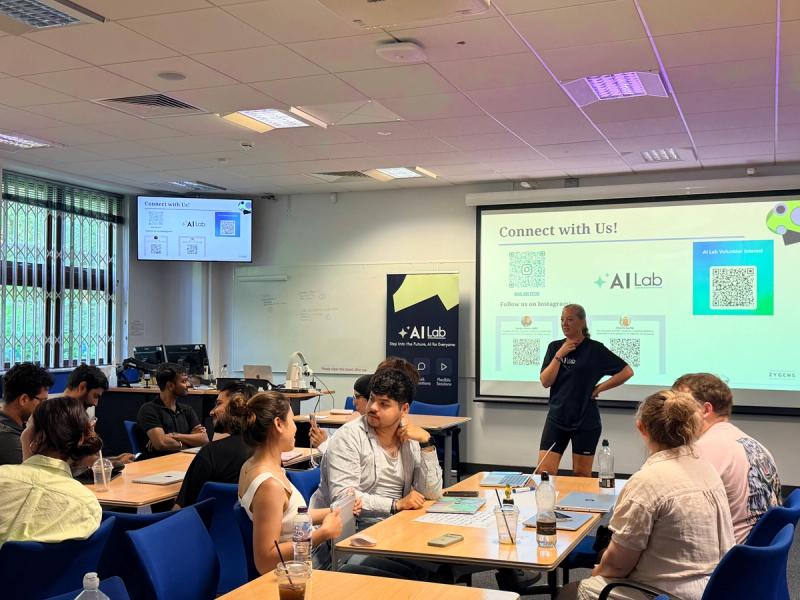
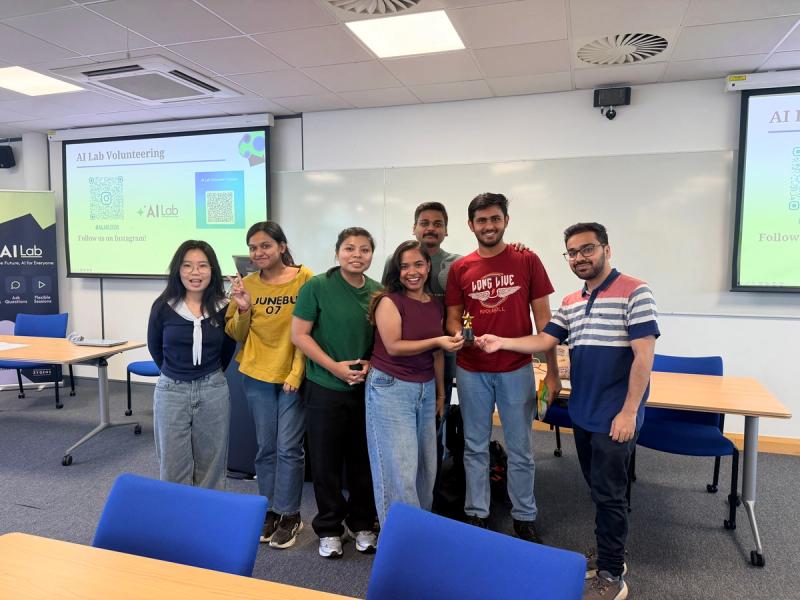
The session opened with a poll rather than a pitch. Twelve students answered the first question; 17 took part in polling across the session, the smallest of the four LUBS blocks, and the most fluent. What came back wasn't scepticism. It was a group describing AI in terms of career survival, and then listing over-reliance, bias and accountability as the things that worried them. They were describing a tool they already depended on and had never been given rules for. So the session led with the rules. Where generative AI ends and an agent begins. What reliability actually means when an output looks confident and is wrong. Who is accountable when a tool you didn't build makes a decision you signed off. Then the room split into three teams. Three hours, Microsoft Copilot, one working agent each, presented back to their peers at the end. What they chose is worth noting. Stocky, a stock market dashboard. Travel Trevor, a scheduling agent with explicit rules around what it was allowed to do. Stuey the Student House Hunter, for students trying to find somewhere to live in Leeds. Personal problems, not textbook ones. And a group that had spent the session on reliability and accountability picked financial markets as the thing to build, the highest-stakes subject on the board.
What people built
Real tools, made by real attendees
Gallery
From the day
Related stories
More proof from the labs
Students name the problem, then build the agent
Forty-one LUBS students opened the session with a word cloud that ran hot both ways, curious, excited, powerful, alongside privacy, fake news, replacement. AI Lab held both. By the end the room had named seven agent concepts, each starting from a real friction in their own lives: job applications, travel planning, food, fitness, finding a partner.
Read the story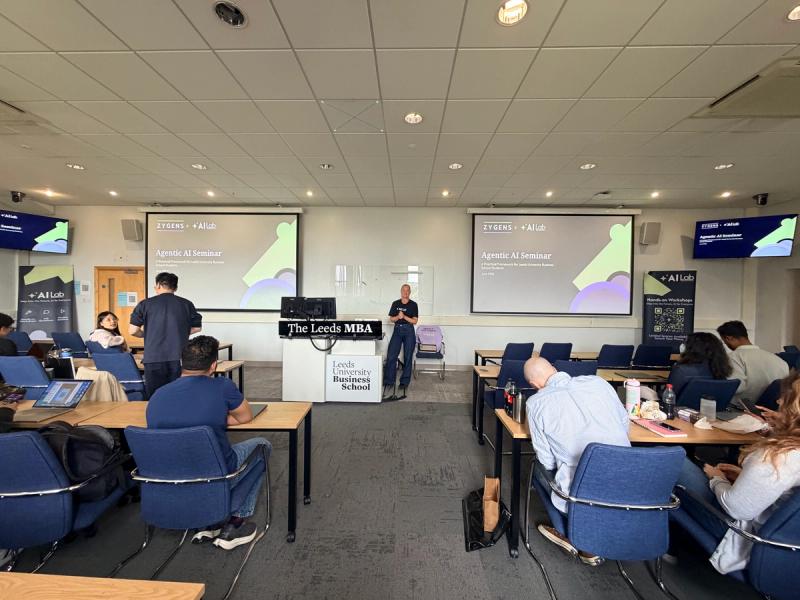
MBA students build their first AI agents
The Leeds MBA cohort could all use AI tools. Not many had built an agent. Over three hours at Leeds University Business School, five teams found a real friction, designed an agent to fix it, and built it in Microsoft Copilot, then demonstrated it to the room. Self-rated AI knowledge went from 3.07 out of 10 to 7.87, and 74% left feeling prepared to apply AI at work.
Read the story